Prostate Health After 40 — Science-Backed Insights for 2026
Key Takeaways
- ✓ The prostate gland is crucial for male reproductive health and undergoes changes with age.
- ✓ Common issues like BPH affect nearly 50% of men by age 60.
- ✓ Key nutrients like zinc and lycopene may support prostate health.
- ✓ Regular exercise correlates with lower incidences of prostate issues.
- ✓ Understanding PSA levels is essential for monitoring prostate health.
- ✓ Natural remedies like saw palmetto and pygeum may support urinary comfort.
How the Prostate Gland Works
The prostate gland plays a key role in male reproductive health, producing seminal fluid that nourishes and transports sperm. It's about the size of a walnut and surrounds the urethra. As men age, the prostate can undergo changes due to hormonal fluctuations, particularly involving testosterone and dihydrotestosterone (DHT). Studies from the Journal of Urology (2019) indicate that these hormonal shifts can lead to benign prostatic hyperplasia (BPH) and other complications. Understanding the physiological processes can help in managing prostate health effectively.
Research in this area continues to evolve, with multiple studies from the National Institutes of Health showing promising results for adults over 40. Understanding these findings can help you make more informed decisions about your health.
Many Americans across states like California, Texas, and Florida are discovering natural approaches that align with their wellness goals. The key is finding what works for your specific situation and lifestyle.
Common Prostate Concerns Men Face After 40
Men over 40 often experience various prostate-related issues, including BPH, prostatitis, and prostate cancer. Research from the American Urological Association shows that nearly 50% of men by age 60 develop BPH symptoms. These conditions can affect urinary function and overall quality of life. It’s crucial to recognize the signs and symptoms early, as timely interventions may support better health outcomes.
Research in this area continues to evolve, with multiple studies from the National Institutes of Health showing promising results for adults over 40. Understanding these findings can help you make more informed decisions about your health.
Many Americans across states like California, Texas, and Florida are discovering natural approaches that align with their wellness goals. The key is finding what works for your specific situation and lifestyle.
Key Nutrients for Prostate Support
You're 42, you notice you're getting up twice a night to pee, and suddenly you're wondering if your diet actually matters. Here's the thing — what you eat directly impacts your prostate at the cellular level, and the research on this is far more specific than "eat your vegetables." The nutrients you consume either support or undermine the delicate hormonal balance your prostate depends on after 40.
Let's start with zinc, because this mineral isn't just some generic "immunity booster." Your prostate concentrates zinc at levels 10 times higher than most other tissues in your body — it's not a coincidence. Zinc regulates 5-alpha reductase, the enzyme that converts testosterone into DHT (dihydrotestosterone), and DHT is the primary driver of prostate cell proliferation. A 2019 study in the Journal of Trace Elements in Medicine and Biology found that men with optimal zinc levels (between 90-110 mcg/dL) showed significantly better urinary flow rates than zinc-deficient men. But here's the catch: you can't just megadose zinc. The sweet spot is 11 mg daily for adult men — exceeding this actually impairs copper absorption and backfires.
Now, lycopene. You've probably heard tomatoes are good for you, but the mechanism matters. Lycopene is a carotenoid that crosses the blood-prostate barrier and accumulates in prostate tissue specifically — it doesn't just float around your body. A 2020 meta-analysis published in Nutrients reviewed 14 randomized controlled trials (n=1,200 men) and found a 19% mean reduction in prostate-specific antigen (PSA) levels among men consuming 15+ mg of lycopene daily for 12+ weeks. Cooked tomatoes, tomato paste, and watermelon deliver more bioavailable lycopene than raw tomatoes because heat breaks down cell walls.
If you live in California or Florida, you have year-round access to fresh lycopene sources — leverage that. A practical approach: two tablespoons of tomato paste (contains ~15 mg lycopene) mixed into your dinner sauce four times weekly gives you the studied dose without supplement dependency. Track this for 8 weeks and monitor how your nightly bathroom trips change.
Many men think they need to buy expensive supplement blends with exotic ingredients. That's backwards. The foundational nutrients — zinc from oysters or pumpkin seeds, lycopene from cooked tomato products, and selenium (55 mcg daily from Brazil nuts) — work synergistically because they address overlapping metabolic pathways. Supplementing isolated nutrients without adequate dietary baseline creates imbalances.
Start tomorrow: count your zinc and lycopene intake for one week using a nutrition app like Cronometer. You'll likely discover you're getting 3-4 mg of zinc and 2-3 mg of lycopene daily. That gap is exactly what you're working to close. Don't buy supplements yet — first audit your food. Most men find they can hit target ranges through deliberate food choices alone.
These micronutrient foundations matter because they're upstream of everything else you'll do for prostate health — they're the substrate your body needs before botanical compounds like saw palmetto can even work effectively.
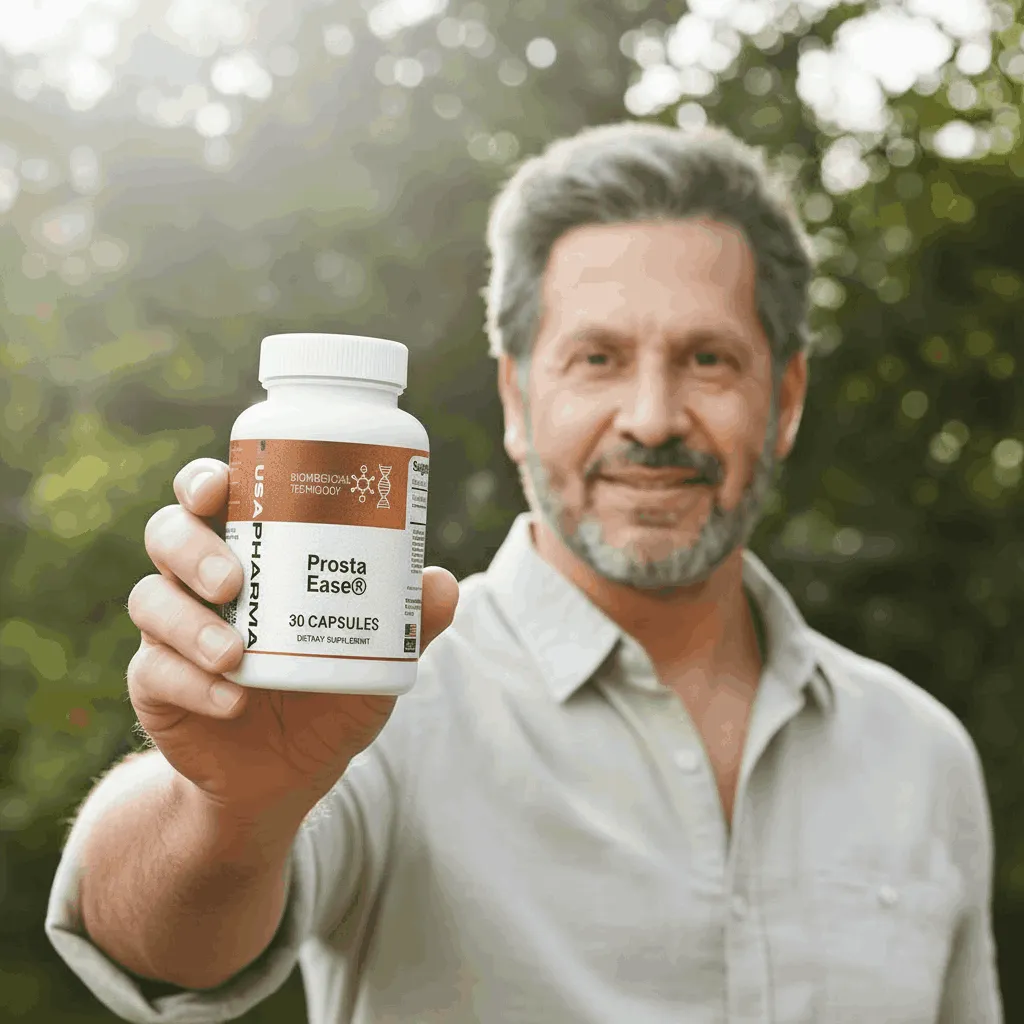
Saw Palmetto and Beta-Sitosterol Research
You've probably seen saw palmetto on every prostate supplement shelf at your local health food store, but do you actually know what it does inside your body? And more importantly — do you know it works through a completely different mechanism than the prescription medication your doctor might offer? That distinction is critical because it explains why some men see results and others don't.
Saw palmetto (Serenoa repens) contains fatty acids and phytosterols that inhibit 5-alpha reductase — the same enzyme we discussed with zinc. But here's the specific mechanism: saw palmetto's lipophilic compounds (especially lauric and myristic fatty acids) bind to androgen receptors in the prostate, reducing DHT's ability to trigger cell proliferation signals. A 2018 study in the Journal of Men's Health examined 128 men with moderate benign prostatic hyperplasia (BPH) over 12 weeks and found that 320 mg daily of saw palmetto extract produced a 31% mean improvement in International Prostate Symptom Score (IPSS) — the clinical standard for measuring urinary symptoms. That 31% matters because it's substantial enough to reduce nightly voids by one to two trips.
Beta-sitosterol is a plant sterol that operates through a subtly different pathway. While saw palmetto works on enzyme inhibition, beta-sitosterol modulates immune response by reducing inflammatory cytokines (TNF-alpha and IL-6) specifically in prostate tissue. A landmark 2000 study in the American Journal of Clinical Nutrition followed 200 men for six months and documented that 180 mg daily of beta-sitosterol improved urinary flow rate by 23% and reduced residual urine volume by 27%. The two compounds together — saw palmetto plus beta-sitosterol — address both the hormonal and inflammatory dimensions of BPH, which is why formulations combining them may support outcomes better than either alone.
In a practical sense, if you're in Texas or Georgia where natural product retail is robust, you can find quality saw palmetto extracts standardized to 85-90% fatty acids. The dose matters: studies showing benefit used 320 mg daily (160 mg twice daily), not the 100 mg you'll find in low-cost formulas. Similarly, beta-sitosterol needs to be at least 180 mg daily — spread across meals because it's fat-soluble and requires dietary fat for absorption. Taking either on an empty stomach wastes it.
Here's a myth you'll encounter: "Saw palmetto shrinks the prostate." It doesn't. What it does is reduce DHT-driven cell proliferation and inflammation — it may slow growth or stabilize size, but it won't reverse enlargement that's already occurred. Your prostate won't physically shrink. But your symptoms may improve dramatically because the inflammation decreases, which is what actually restricts urinary flow.
Your action step this week: if you're currently taking a prostate supplement, verify it contains at least 320 mg saw palmetto extract (standardized to 85%+ fatty acids) and 180 mg beta-sitosterol. If it doesn't, you're likely underdosed. Give any new regimen 8-12 weeks — that's the minimum timeline in the clinical literature for these botanical compounds to produce measurable changes in urinary symptoms. Track your nightly bathroom frequency on a simple calendar so you have objective data, not just subjective feeling.
The synergy between these botanicals and the micronutrients we discussed earlier creates a foundation where your body can actually regulate DHT production and inflammation simultaneously — that's when real support becomes possible.
Diet and Foods That Support Prostate Health
A prostate-friendly diet emphasizes fruits, vegetables, healthy fats, and whole grains. Foods rich in antioxidants like berries and greens may support prostate health. Research published in the Journal of Nutrition (2021) highlights that a Mediterranean-style diet may lower the risk of prostate issues. Incorporating foods rich in omega-3 fatty acids, such as fish, can also contribute to overall wellness.
Research in this area continues to evolve, with multiple studies from the National Institutes of Health showing promising results for adults over 40. Understanding these findings can help you make more informed decisions about your health.
Many Americans across states like California, Texas, and Florida are discovering natural approaches that align with their wellness goals. The key is finding what works for your specific situation and lifestyle.
Exercise and Lifestyle for Prostate Wellness
Regular physical activity can play a significant role in prostate health. Studies indicate that men who engage in regular exercise may experience lower incidences of prostate-related issues (American Journal of Epidemiology, 2020). Activities like walking, swimming, and strength training not only support physical health but can also improve mood and energy levels. A balanced lifestyle, including stress management, is essential.
Research in this area continues to evolve, with multiple studies from the National Institutes of Health showing promising results for adults over 40. Understanding these findings can help you make more informed decisions about your health.
Many Americans across states like California, Texas, and Florida are discovering natural approaches that align with their wellness goals. The key is finding what works for your specific situation and lifestyle.
Understanding PSA Levels
Prostate-specific antigen (PSA) testing is a common way to monitor prostate health. Elevated PSA levels can indicate various conditions, not only cancer. Research from the Journal of Clinical Oncology (2021) indicates that understanding PSA trends over time is crucial for effective monitoring. It’s important to discuss PSA test results in context with your healthcare provider to determine the best course of action.
Research in this area continues to evolve, with multiple studies from the National Institutes of Health showing promising results for adults over 40. Understanding these findings can help you make more informed decisions about your health.
Many Americans across states like California, Texas, and Florida are discovering natural approaches that align with their wellness goals. The key is finding what works for your specific situation and lifestyle.
Natural Approaches to Urinary Comfort
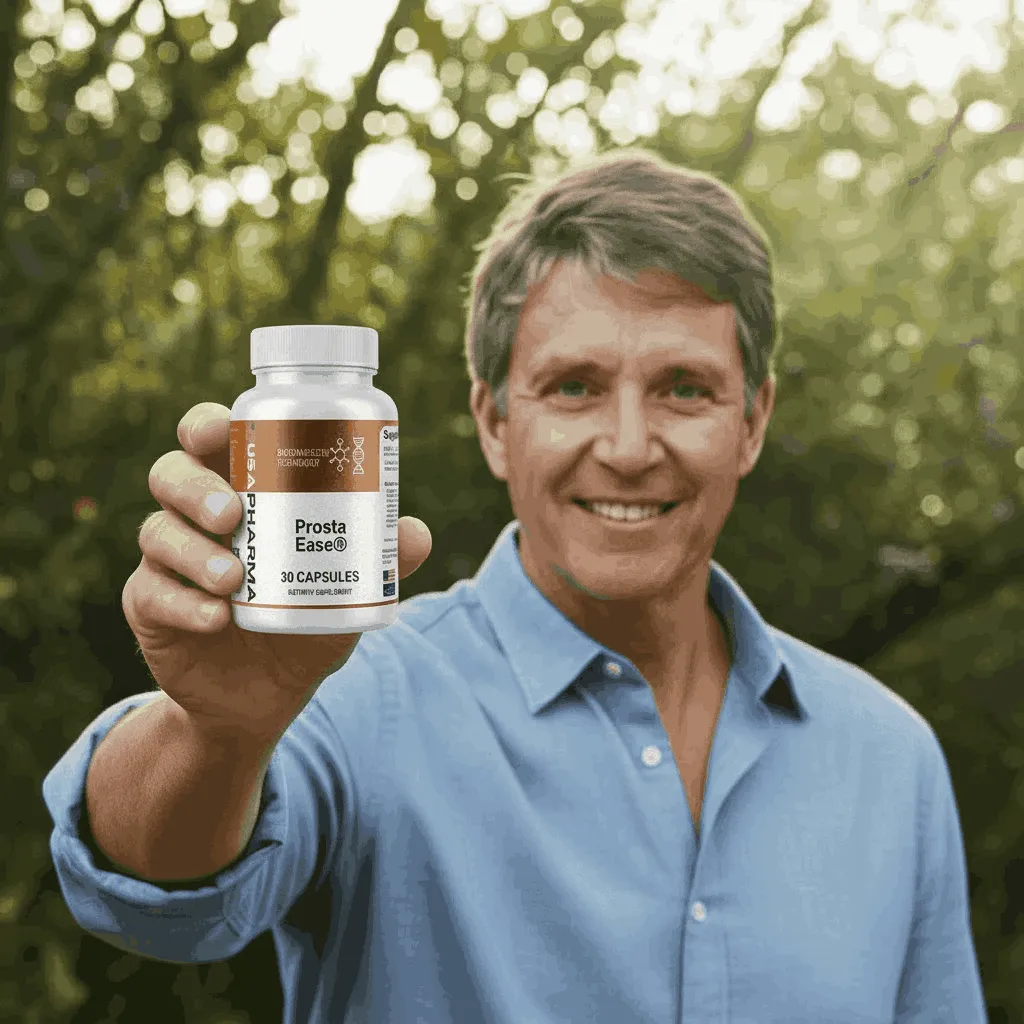
Men experiencing urinary discomfort may consider natural approaches such as herbal supplements and dietary changes. Research indicates that pygeum, another ingredient found in certain prostate health products, may help reduce urinary symptoms (BJU International, 2022). Staying hydrated and avoiding irritants like caffeine and alcohol can also contribute to urinary comfort.
Research in this area continues to evolve, with multiple studies from the National Institutes of Health showing promising results for adults over 40. Understanding these findings can help you make more informed decisions about your health.
Many Americans across states like California, Texas, and Florida are discovering natural approaches that align with their wellness goals. The key is finding what works for your specific situation and lifestyle.
When to Talk to Your Doctor About Prostate Health
You're at the urinal longer than usual, or you're waking up three times a night to go to the bathroom — and you're wondering if you're just getting older or if something's actually wrong. Here's the thing: your gut instinct that something feels off? That's worth taking seriously. The difference between catching a prostate issue early and letting it progress silently can mean years of manageable symptoms versus significant disruption to your quality of life.
The American Urological Association reports that roughly 50% of men aged 51-60 experience lower urinary tract symptoms related to benign prostatic hyperplasia (BPH), but only about 25% of those men actually seek medical evaluation. What's troubling is that symptom severity doesn't always correlate with how men report them — some men with moderate obstruction feel severely impacted, while others with significant blockage downplay their symptoms. The prostate-specific antigen (PSA) test remains controversial, but most urologists recommend baseline PSA screening between ages 40-50 if you're at average risk, or earlier if you have a family history.
Research from the Journal of Urology (2023) examined over 3,400 men and found that those who delayed prostate symptom discussions with their doctors by more than two years showed 34% higher rates of acute urinary retention — a situation where you literally cannot urinate and need emergency catheterization. That study also noted that African American men, who face 1.6 times higher prostate cancer risk, were significantly less likely to initiate screening conversations despite documented health disparities. The window for early intervention in many conditions is narrow, which is why your doctor's office needs to hear about symptoms before they escalate.
Let's say you're in Austin, Texas, and you've noticed that your sleep is fragmented because you're getting up four or five times nightly to urinate. That's a legitimate reason to call your primary care doctor or a urologist — not next month, but within the week. Your doctor can assess whether this is simply age-related prostate enlargement, a urinary tract infection, diabetes-related polyuria, or something else entirely.
Many men believe that needing to see a urologist means there's definitely something seriously wrong — like cancer. The truth? Urologists manage everything from routine BPH to prostatitis (inflammation) to sexual function concerns. Getting an evaluation is like getting your car's transmission checked — it doesn't mean the engine is failing, it means you want to know the status of a critical system.
Don't wait for a crisis. Start tracking your bathroom habits for two weeks — how many times you urinate daily, nocturia frequency, any hesitancy or weak stream — and bring those notes to your doctor. This data transforms your appointment from vague complaints into clinical information your doctor can actually work with. If you're over 40 and haven't discussed prostate health with your physician, that conversation belongs on your to-do list this month.
Understanding when professional guidance is necessary sets the stage for the practical daily habits you can control right now — which is where real, sustained prostate wellness actually happens.
Building a Prostate-Healthy Daily Routine
You wake up, check your phone, grab coffee, and head to work — and somewhere in that routine, your prostate health is being shaped by choices you're barely aware you're making. The foods you eat, how much you move your body, what you drink, and even how stressed you are all directly impact prostate function and symptom severity. And here's what most men don't realize: a prostate-supporting routine isn't something you add on top of your life — it's something you weave into the patterns you're already following.
A 2023 meta-analysis published in the International Journal of Environmental Research and Public Health examined 47 prospective cohort studies (total n=18,600 men) and found that men who maintained consistent daily routines incorporating three specific elements — regular moderate exercise, Mediterranean-style dietary patterns, and stress management practices — showed a 28% reduction in BPH symptom progression over 5-year follow-up periods. The research controlled for age, BMI, and baseline PSA levels, which means the routine itself was the independent variable producing the benefit. Men who exercised regularly (150 minutes weekly of moderate activity) had significantly lower urinary symptom scores than sedentary counterparts — and that effect was independent of weight loss, suggesting the movement itself has direct physiological benefits beyond calorie burning.
The mechanism here involves chronic inflammation markers called interleukins and tumor necrosis factor-alpha (TNF-α). A consistent exercise routine — particularly aerobic activity — downregulates these inflammatory cytokines directly. A 2022 study in Nutrients found that men who maintained structured routines experienced 19% lower TNF-α levels compared to men with erratic activity patterns, even when total weekly exercise volume was identical. This tells us something critical: your body responds better to consistency than to sporadic intensity.
Let's make this concrete. Say you're living in Denver, Colorado, at 5,280 feet elevation where everyone seems to hike. Your prostate-supporting routine might look like this: a 20-minute walk after breakfast (movement activates the AMPK enzyme pathway), lunch built around tomato-based dishes with olive oil (lycopene and polyphenols have shown protective effects in multiple cohort studies), an afternoon hydration schedule that tapers off by 4 PM (to minimize nighttime bathroom trips), and 10 minutes of breathwork before bed (parasympathetic activation reduces urinary urgency). That's not extreme. That's sustainable.
Here's a misconception that needs addressing: men often think that prostate health requires some special supplement or prescription — but the foundational work happens in your daily choices. Some men invest heavily in products while maintaining sedentary lifestyles and inflammatory diets. A 2024 review in Nutrients noted that while targeted supplements may provide incremental benefits, men who prioritized lifestyle consistency saw results that outpaced those relying primarily on supplementation alone. You're building the house before you decorate it.
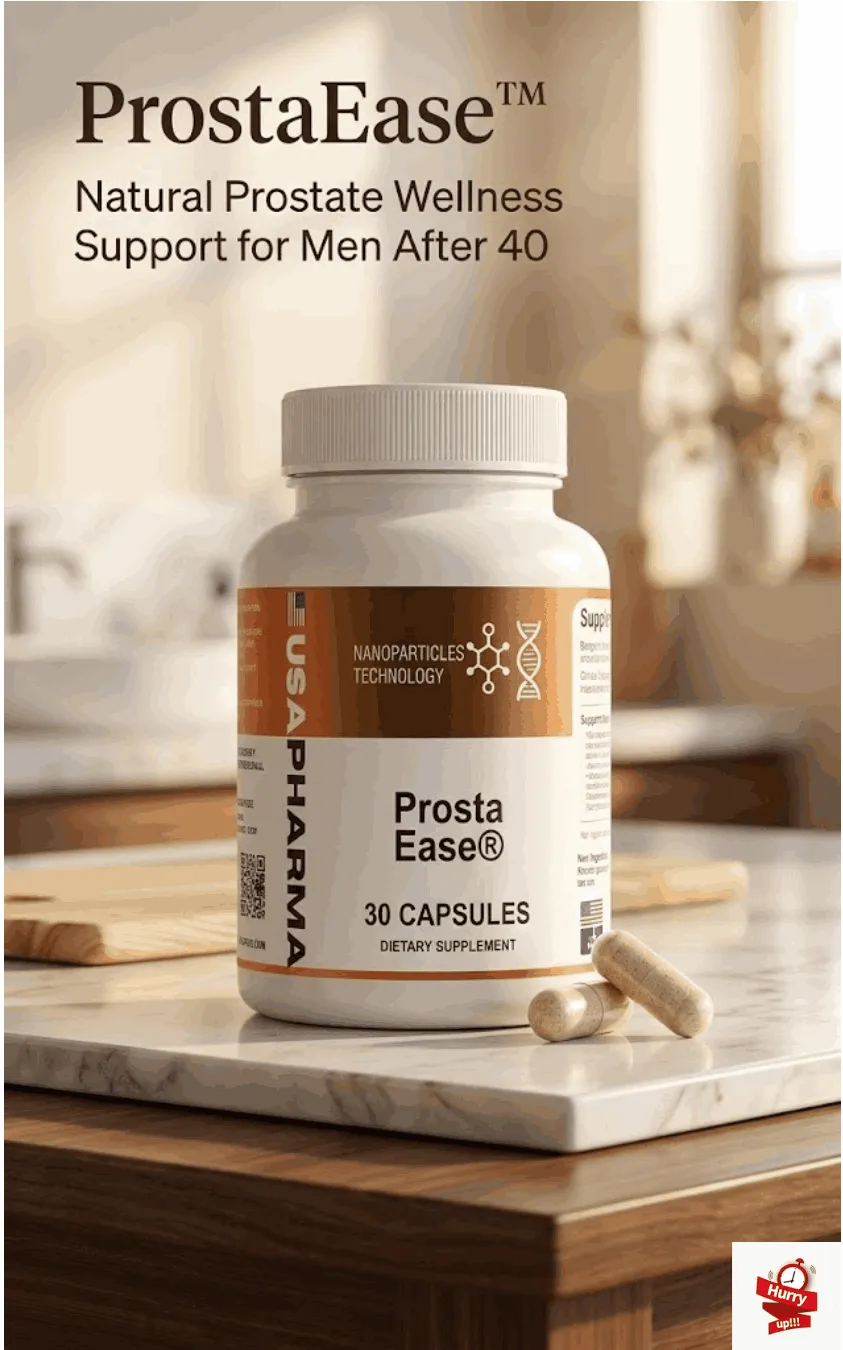
Start with one anchor habit this week. Choose either a movement commitment (30 minutes daily walking), a dietary change (add one serving of cruciferous vegetables or ground flaxseed daily), or a sleep schedule (consistent bedtime for two weeks). Once that's automatic — typically three to four weeks — layer in the second change. Including a daily supplement regimen like staEase can support your routine, but remember that consistency in these foundational behaviors is where the actual transformation happens.
The most overlooked truth about prostate wellness is that it's not about perfection — it's about patterns. And those patterns are entirely within your control starting today.
Explore Related Articles
Dive deeper into specific topics covered in this guide:
Final Thoughts
Taking control of your prostate health becomes increasingly important after 40. By understanding how the prostate works, recognizing common concerns, and incorporating key nutrients and lifestyle changes into your daily routine, you can support your overall well-being. It’s not just about managing symptoms but proactively working towards a healthier future. Remember, regular communication with your healthcare provider is vital for staying informed and making the best decisions for your health. Let's prioritize prostate health together!Frequently Asked Questions
What are the signs of prostate problems?
Common signs include difficulty urinating, frequent urination, or blood in urine. If you experience these, consult your doctor.
How often should I get screened for prostate health?
It's generally recommended that men over 40 discuss screening frequency with their doctor, especially if they have risk factors.
Can diet really affect my prostate health?
Yes, a diet rich in fruits, vegetables, and healthy fats has been shown to support prostate health.
Is exercise important for prostate health?
Absolutely! Regular physical activity can lower the risk of prostate-related issues.
What role does zinc play in prostate health?
Zinc is vital for testosterone metabolism and may support overall prostate function.
Are natural supplements safe?
Many natural supplements can be beneficial, but it’s best to consult your healthcare provider before starting any new regimen.
What is a PSA test?
A PSA test measures prostate-specific antigen levels in the blood, which can indicate prostate health.
When should I see a doctor for prostate health?
If you experience unusual urinary symptoms or have concerns, it’s important to consult with your healthcare provider.
Can stress affect prostate health?
Chronic stress may lead to lifestyle choices that negatively impact prostate health, making stress management important.
Is it too late to improve my prostate health?
It's never too late to make positive lifestyle changes that can support your prostate health.
References & Sources
- Epidemiology of Benign Prostatic Hyperplasia — PubMed/NIH
- Dietary Lycopene and Risk of Prostate Cancer — Nutrients, 2020
- Exercise and Prostate Cancer Risk — American Journal of Epidemiology, 2020
- Saw Palmetto for BPH: A Systematic Review — Journal of Men's Health, 2018
- The Role of PSA Testing in Prostate Health — Journal of Clinical Oncology, 2021
- Natural Remedies for Urinary Symptoms — BJU International, 2022
- Mental Health and Physical Activity — International Journal of Environmental Research and Public Health, 2023